How many grams in a cup? A guide for flour, sugar, butter and oil
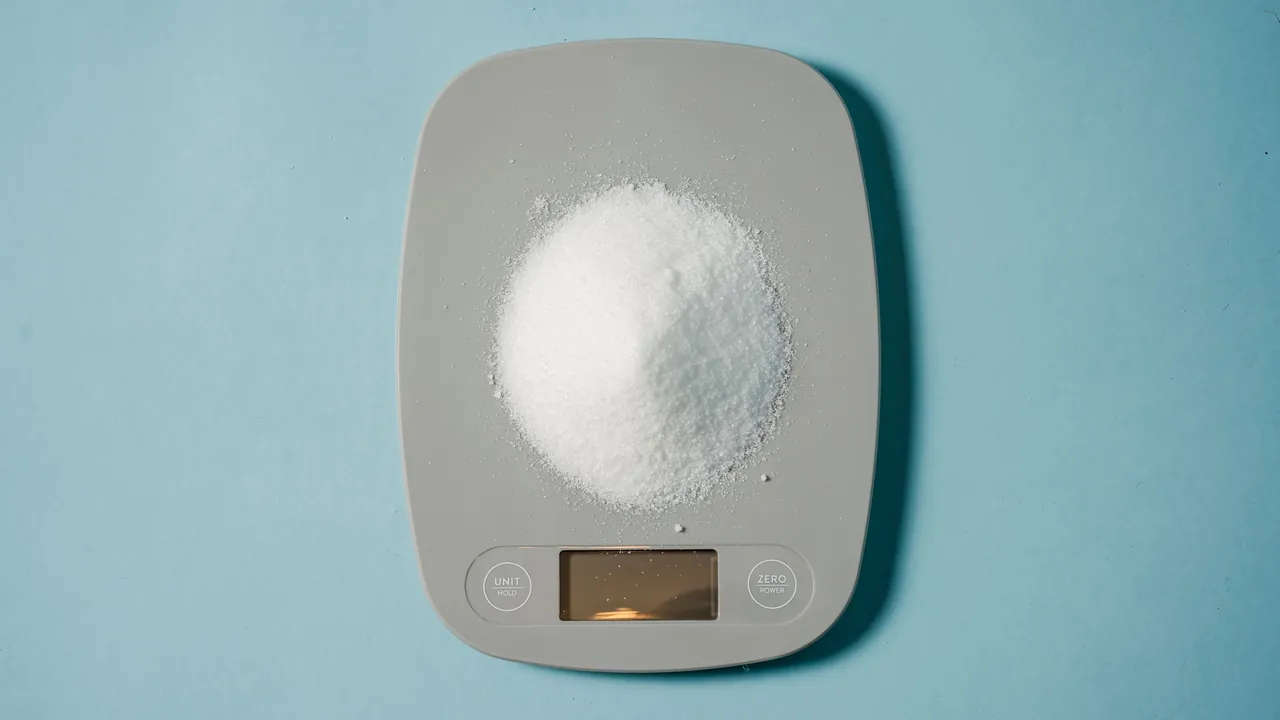
The recipe asks for a cup of flour, and you want to know how much that is in grams. You search for "cups to grams", open several charts and get several numbers. On 19.10.2026 we went through a few open sources: Hebrew conversion and baking sites, and the weight chart of an American baking site. Common conversion charts show different values. In this guide we set out the ranges, explain what the sources themselves say about the reasons, and say what is worth doing in the kitchen.
The short answer
It depends on the ingredient, and mostly on how you fill the cup. A cup of white flour runs, in the sources we checked, from 120 to 140 grams. Sugar, butter, oil and honey have ranges of their own, and you can see all of them in the table below. When the recipe gives grams, weigh.
First: what is a cup?
Most Hebrew sources define a measuring cup as 240 ml, a tablespoon as about 15 ml and a teaspoon as about 5 ml. The U.S. National Institute of Standards and Technology publishes about 236.6 ml for a U.S. customary cup, about 14.8 ml for a tablespoon and about 4.9 ml for a teaspoon, and according to a U.S. Food and Drug Administration (FDA) guide, in U.S. nutrition labeling a cup is 240 ml. In Australia a metric cup of 250 ml is used, according to an old Australian standard that has been superseded. So the word "cup" by itself is not always the same amount.
How much does a cup weigh? The ranges from the sources
A gram measures weight, and a cup measures volume, so the conversion depends on the ingredient's density. Here are the ranges we found, in grams per cup:
| Ingredient | Range in the sources we checked |
|---|---|
| Ordinary white flour | 120–140 |
| White sugar | 190–200 |
| Butter | 226–240 (the lower end is approximate) |
| Vegetable oil | 198–220 |
| Honey | 336–360 (the lower end is approximate) |
For flour, three sources give 120 or about 120, and two give 140. Sugar, butter, oil and honey also differ between sources, and for butter and honey the lower end is our calculation, so it is approximate. We do not decide which value is right: the charts differ from each other, and no standards body here settles it.
Why the charts differ
According to one source, the weight of a cup of flour changes with sifting, packing and the type of flour, and packed flour can weigh significantly more than aerated flour. Another source writes that packing the flour into the cup increases the weight and changes the recipe's result. So the same cup, filled in different ways, can give a different amount.
What to do in practice
- If the recipe itself states grams, use grams.
- If you only have cups, pick one chart and stick to it through the whole recipe.
- For sensitive baking, weigh. One source writes that for sensitive baking a kitchen scale is better, and that cups and spoons suit a quick estimate and forgiving recipes. The American baking site also recommends weighing on a digital scale.
- If you measure by cup, according to one source you fill the cup and level it with a knife, and you sift flour before measuring, without packing it.
- Weigh once what you measured in your own cup, and write the result down. Next time you have a figure of your own, from the cup and the flour in your kitchen.
An example
Take a recipe of ours with 2 cups of flour and a cup of butter. By the ranges above, 2 cups of flour are between 240 and 280 grams, and a cup of butter is between about 226 and 240 grams. The gap in the flour alone is 40 grams. So it is worth weighing, and adjusting the amount to the recipe and to how the dough looks to you.
Why American recipes look different
According to one source, in Europe it is usual to weigh dry ingredients in grams, while an American recipe will ask, for example, for a cup of sugar and two cups of milk. An exact conversion has to take the ingredient's density into account, which is why some recipes state both weight and volume to make it easier. That is another reason to prefer the grams when they are written.
Ounces: weight or volume
In American recipes an ounce is a unit of weight of about 28.35 grams, and a fluid ounce is a unit of volume of about 29.57 ml (according to the U.S. National Institute of Standards and Technology). They are two different units, and you do not swap one for the other.
And where does KitchenAppes come in?
According to the KitchenAppes homepage, you can read recipes in Hebrew, English and Russian. If a recipe was written in another language, the app can translate it, and the ingredient units match your language. When you find a recipe you like, you can add the ingredients to the shopping list, save it in your cookbook or share a link. You can start with the community recipes on KitchenAppes, and read more about us.
KitchenAppes
Download the app