A Shabbat shopping list: build it from the menu, not from memory
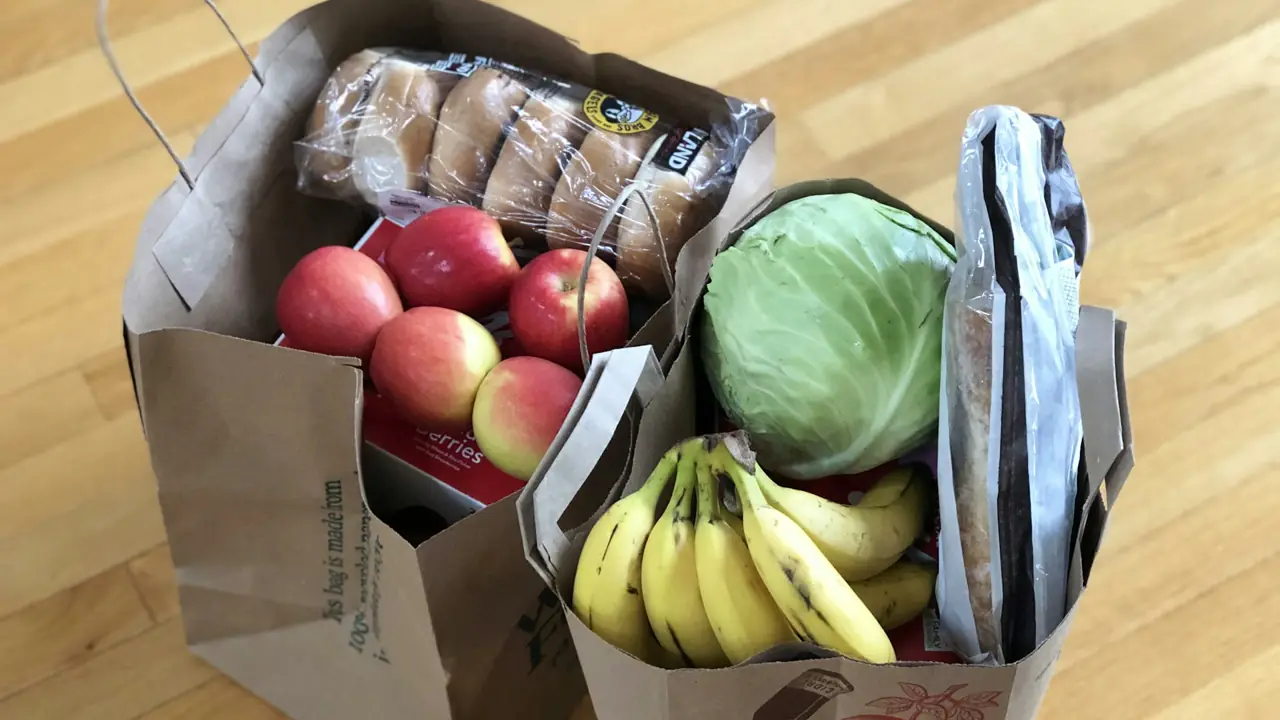
Have you ever come home from the store on Friday and found there was no oil, or that you had three packages of the same thing? A Shabbat shopping list built from memory tends to leave things out and to add duplicates. The fix: build it from the menu. Here is how, in five stages.
Stage 1: write the menu first
Before any list, define the meals: Friday evening, Shabbat lunch, a third meal if you have one, and breakfast. For each meal, write what you are serving: a first course, a main, sides, salads, dessert.
If you have guests, write how many people are eating at each meal. That will affect the quantities, but the decision about those quantities is yours, because they depend on the people and on the dishes.
Stage 2: break every dish into ingredients
For each dish, write what it needs: main ingredients, spices, oil, baking ingredients. It is easy to forget the "small things": baking paper, a lemon, a green herb for garnish.
Stage 3: check what you already have at home
Open the cupboard, the fridge and the freezer and mark on the menu what is already there. That way you do not buy it twice. EfshariBari's "food rescue" page (Israel's Ministry of Health) says that before you leave for the store you prepare one concentrated, orderly shopping list, and you buy only as much food as you need. The same page also recommends arranging the fridge so what is new sits at the back and what is older sits at the front.
Stage 4: sort by section
This is where the list becomes a working tool. Group it the way a supermarket usually is laid out:
- Vegetables and fruit
- Meat, chicken and fish
- Dairy and eggs
- Baked goods and bread
- Pantry and dry goods (rice, pasta, legumes, canned goods, spices, oil)
- Frozen food
- Drinks
- Cleaning and disposables (for example napkins, aluminum foil, disposable tableware if you use it)
The order of sections differs between stores, so match the list to your store.
Stage 5: decide what you buy ahead and what you buy close to Shabbat
You can split the shopping into two rounds: what you buy ahead and what you buy close to Shabbat. Which ingredients belong in each round is your decision, according to the store, the schedule and the dishes. The idea is to take pressure off Friday, not to decree that a particular ingredient must be bought at a particular time.
An example: a basic Shabbat menu and the list that comes from it
Every family adapts the example below to its own customs.
The menu:
- Friday evening: a salad, a main with a side, dessert.
- Shabbat lunch: a salad, a stew with a base, fruit.
- Third meal: a light dish and bread.
The list that follows, by section:
- Vegetables and fruit: vegetables for the salad, a vegetable for the side, fruit for dessert.
- Meat, chicken and fish: protein for the main and for the stew.
- Dairy and eggs: what the dishes require.
- Pantry: a base for the stew (rice or legumes), spices, oil.
- Bread and baked goods: for the third meal.
- Cleaning and disposables: as needed.
Notice how every line on the list was born from one meal on the menu.
Shabbat with guests
When you have guests, the process is the same, with one small addition: at each meal, write the number of people eating. The Ministry of Health page (EfshariBari) includes the recommendation "buy only as much food as you need, avoid buying too much" and a recommendation to cook smaller amounts.
Common questions
When is a good time to build the list? When you have a quiet moment before the shopping, so there is still time to check the house and correct the menu.
What if the menu changes? Update the list to match the new menu. Because every line was born from a meal, it is easy to see what to remove and what to add.
Can I use the same list every week? You can keep the template and fill it in again. A menu that worked well can be copied to the next week, changing only one dish.
Who writes the list? Whoever is cooking. It helps to share it with the household, so the person who goes to the store knows what is needed.
Common mistakes in building the list
- Writing a list before a menu. That sends you back to buying "from memory".
- Forgetting the small things. Baking paper, lemon and spices are easy to forget.
- Not checking the house. The fridge and the cupboard may already hold what you meant to buy.
- A list with no order. When it is not sorted by section, you run back and forth in the store.
A Shabbat shopping-list template
Eating: evening ____ | lunch ____
Menu: ____________________
Vegetables and fruit: ____
Meat/chicken/fish: ____
Dairy and eggs: ____
Bread and baked goods: ____
Pantry: ____
Frozen: ____
Drinks: ____
Cleaning and disposables: ____
Buy ahead: ____ | Buy close to Shabbat: ____
Why this works
Because the list comes from a decision, not from memory. If something is missing, it probably was not on the menu, and you can fix that easily.
Looking for dish ideas for Shabbat? On KitchenAppes, according to the site's description, you can browse recipes from home cooks and add a recipe's ingredients to a shopping list. See the community cookbook and more about us.
KitchenAppes
Download the app