A weekly family menu with a shopping list, step by step
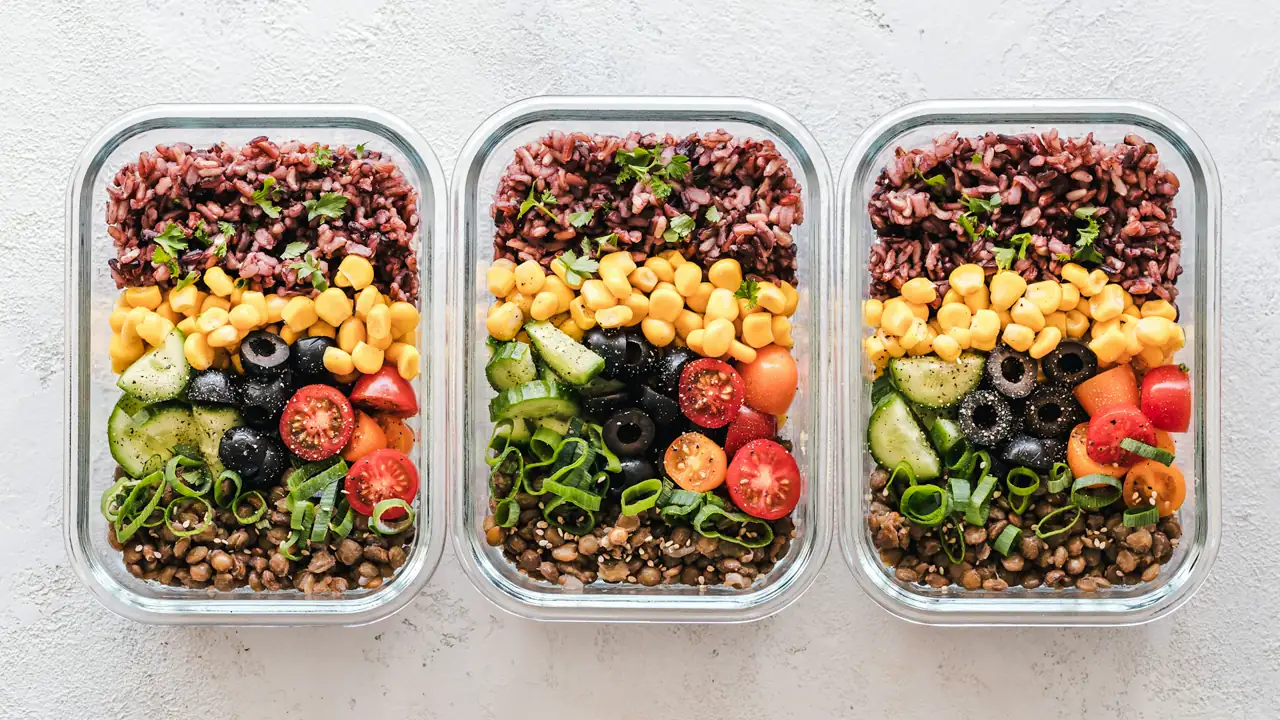
How many times this week did you ask "what are we eating today?" while the children were already hungry? A weekly family menu does not have to be a big project. With a fixed method you can sit down once, know what you are cooking each evening and what you need to buy. Here is the method, one stage after another.
Stage 1: see what you already have
Open the fridge, the freezer and the cupboard, and jot down what should be used first: vegetables that have been waiting, leftovers, opened packages. What you write here goes into the menu first, and you do not need to buy it again. EfshariBari's "food rescue" page (Israel's Ministry of Health) also recommends arranging the fridge so what is new sits at the back and what is older sits at the front.
Stage 2: set the shape of the week
Not every evening is the same. Mark it on the week's calendar:
- Busy evenings (classes, a late shift): a simple dish that is quick to make.
- Quiet evenings: room for cooking that takes a little more patience.
- One flexible evening, for leftovers or a change of plans.
Stage 3: fill in the menu
Write one dish for each evening. It helps to start with familiar dishes the family likes, and maybe add one new dish in the week for variety. That way you are not starting from a blank page.
Watch the quantities: the Ministry of Health page (EfshariBari) includes the recommendation to cook smaller amounts, and alongside it the recommendation to freeze food so it keeps longer. You can combine the two: plan an amount that fits the family, and decide in advance what you will do with what is left.
Stage 4: build one shopping list from the menu
Go through every meal and write down only what is missing. Compare it with the list from stage 1 so you do not buy the same thing twice. Then sort the list by supermarket section (vegetables, dairy and eggs, dry goods, frozen food and so on) so you are not walking back and forth.
The Ministry of Health (EfshariBari) notes that planning ahead and an orderly shopping list will help you save money and eat in a healthier way, and that before you leave for the store you prepare one concentrated, orderly shopping list, buy only as much food as you need and avoid buying too much.
An example week
| Day | Idea |
|---|---|
| Sun | Pasta with vegetables from the fridge |
| Mon | Shakshuka or a legume soup |
| Tue | Roast chicken with potatoes |
| Wed | Roasted vegetables with cheese |
| Thu | A flexible evening for leftovers |
| Fri | According to tradition and what is going on at home |
| Shabbat | According to tradition and what is going on at home |
Once the menu is ready, move it onto the shopping list: pasta, vegetables, eggs, legumes, chicken, potatoes, cheese, and whatever is missing for spices and oil. Mark what you already have at home, and do not buy it.
How to use the menu during the week
The menu is a working tool, not a contract. A few small habits keep it useful:
- Hang it up or keep it somewhere everyone can see, so the whole household knows what is coming.
- Next to each meal, mark what is already made and what still needs making.
- At the end of the week, pause and write down what worked: which evening was easy, which dish repeated itself, what nobody wanted to eat again.
- Copy what worked into next week, and change only one or two dishes.
Common planning mistakes
- Planning too many new dishes. One new dish a week is enough.
- Planning without looking at the week's calendar. An evening with a class is a poor fit for a complicated dish.
- Building a list without checking the house. That is how you buy ingredients you already have.
- Leaving no room for change. It helps to keep one evening flexible.
A template you can copy
Sun: ____   Mon: ____   Tue: ____   Wed: ____
Thu: ____   Fri: ____   Shabbat: ____
Use first: ____
Still to buy — vegetables: ____ | dairy and eggs: ____ | dry goods: ____ | frozen: ____
Common questions
What if plans change in the middle of the week? Swap the days: what was not planned for a given day moves to another day.
Do I have to plan every meal? No. You can plan only dinners, and leave breakfast and lunch to the usual routine.
How many dishes should I plan? It depends on the size of the family and on its routine.
Where do I find ideas for dishes? You can look through recipes that home cooks share in the community, and pick a dish for each evening.
In short
The point is not a perfect week. It is a week with a decision in it. Five to seven lines, one list, and less stress at the hour when everyone is hungry.
Looking for dish ideas? On KitchenAppes, according to the site's description, you can browse recipes from home cooks and add a recipe's ingredients to a shopping list. See the community cookbook and more about us.
KitchenAppes
Download the app