Dinner from what you already have: three steps from the fridge
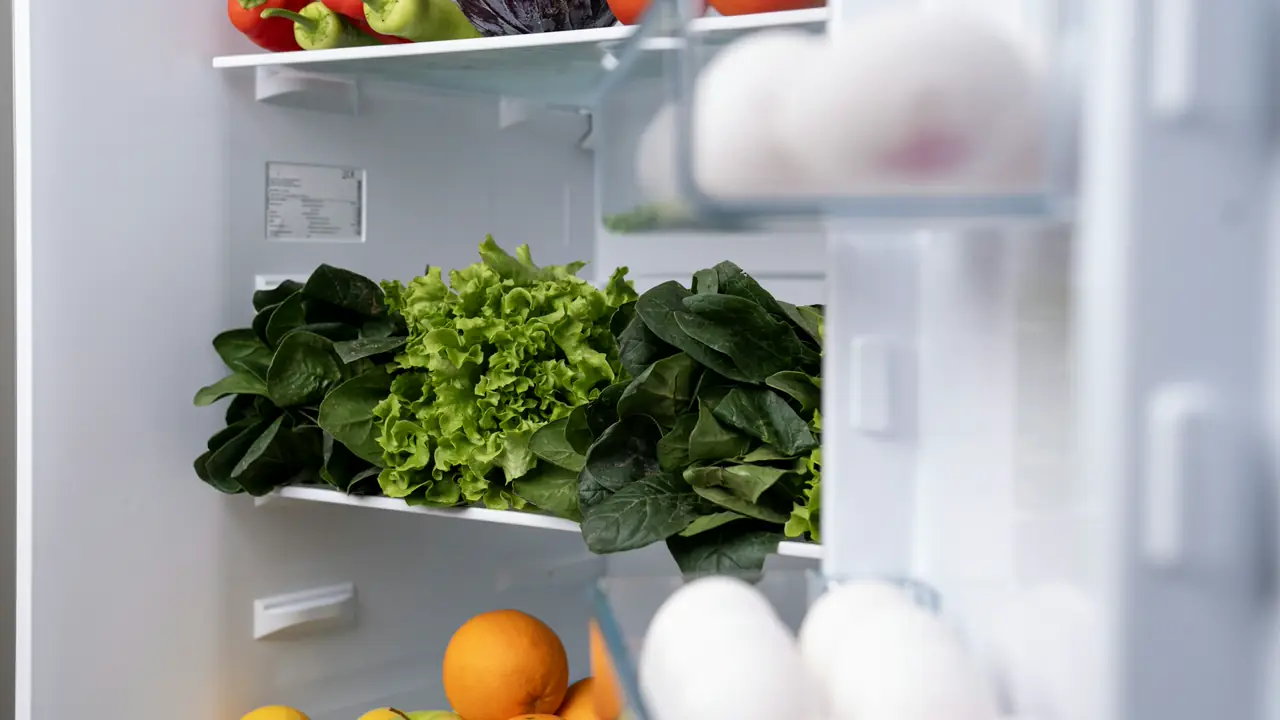
Have you ever stood in front of an open fridge, seen eggs, half an onion and a little rice, and felt there was nothing to eat? There may be more there than it looks. Sometimes what is missing is not an ingredient but a way of looking at the ones you have. This guide shows how to get to a meal from what you already have in three plain steps.
Step 1: write down what is actually there
Before you look for inspiration, make a short list. It does not have to be exact to the gram. The ingredient's name is enough, and if you want, a mark next to whatever should be used first: a vegetable that has seen better days, a leftover from an earlier meal, half a package that is already open.
It helps to split the list into four groups:
- Base: rice, pasta, potatoes, bread, couscous.
- Protein: eggs, chicken, cheese, legumes, canned tuna.
- Vegetables: what is in the drawer and what is in the freezer.
- Flavor: onion, garlic, spices, oil, a sauce, lemon.
One tip on the "food rescue" page of EfshariBari (Israel's Ministry of Health): arrange the fridge so what is new sits at the back and what is older sits at the front.
Step 2: pick a lead ingredient and fill in around it
Every simple meal is really a base, a protein, a vegetable and a flavor. Three of the four groups are enough to have something to cook. If a group is missing, check whether you can skip it or swap it: no chicken? Maybe an egg or legumes. No fresh vegetable? Maybe one from the freezer.
When there are too many options, choose first the ingredient you most want to use. That is the lead ingredient, and the rest of the dish is built around it. If the lead is eggs, the base can be rice or bread, the vegetable is whatever you have, and the flavor is onion and garlic.
Step 3: pick one cooking method
To keep it simple, pick one method that suits almost any combination:
- A pan: sauté, mix and serve.
- The oven: put it in a dish, season it and wait.
- A pot: soup or a stew, useful when you have a lot of small vegetables.
- No cooking: a hearty salad or a sandwich, when time is short.
One way to put it together
You can, for example, combine a base, a protein, a vegetable and a flavor in one pan: cooked rice, eggs, vegetables and onion. You can swap any piece for something else in its group: pasta instead of rice, cheese instead of egg, whatever is in the drawer instead of the vegetables. The method stays the same.
Three more examples
To see how the method works on a different fridge, here are three short alternatives:
- Lead ingredient: legumes. Base: bread or rice. Vegetable: whatever you have. Flavor: onion, garlic and lemon. Method: a pot.
- Lead ingredient: potatoes. Protein: eggs or cheese. Method: oven or pan.
- Lead ingredient: vegetables that have been waiting. Base: pasta. Protein: tuna or cheese. Method: no extra cooking, or a pan.
In each one you start from the lead ingredient and pick one method. You do not have to fill every group, and you do not have to buy something new.
Ideas for leftovers, from an official source
On EfshariBari's "food rescue" page, the Ministry of Health suggests a few ways to use food that is left:
- Leftover bread can become croutons in the oven.
- Vegetables that were cooked and not eaten can become a casserole or fritters.
- Leftover chicken from last night's meal can become a quick chicken salad.
- Vegetable peels can go into vegetable stock.
- Cook smaller amounts, and freeze food so it keeps longer.
The page is about reducing food waste.
Common questions
I don't have every group. Can I start? Yes. Three of the four are enough, and the method is built for that.
How do I choose between several ideas? Start from the lead ingredient, the one you most want to use. What suits it goes in, and the rest waits for next time.
Do I need a written recipe? Not always. When the method is clear — base, protein, vegetable and flavor — you can cook without a recipe. If you want a full, precise recipe, you can look through the community's recipes.
What does a routine that works look like?
After a few times, the three steps become automatic: a short list, a lead ingredient, a method. When you shop, it helps to think ahead about a few meals those ingredients will fit. That makes it easier later in the week to decide what to cook from what is left in the fridge. Another tip from the same Ministry of Health page: before you leave for the store, prepare one concentrated, orderly shopping list, and buy only as much food as you need.
Looking for more ideas? According to the KitchenAppes homepage, it is a recipe app and website where home cooks share the dishes they actually make, and the homepage says you can use it without paying. You can browse the community cookbook, and read more about us.
KitchenAppes
Download the app